The Evolution of Walking Streets: A Global Perspective

Overview
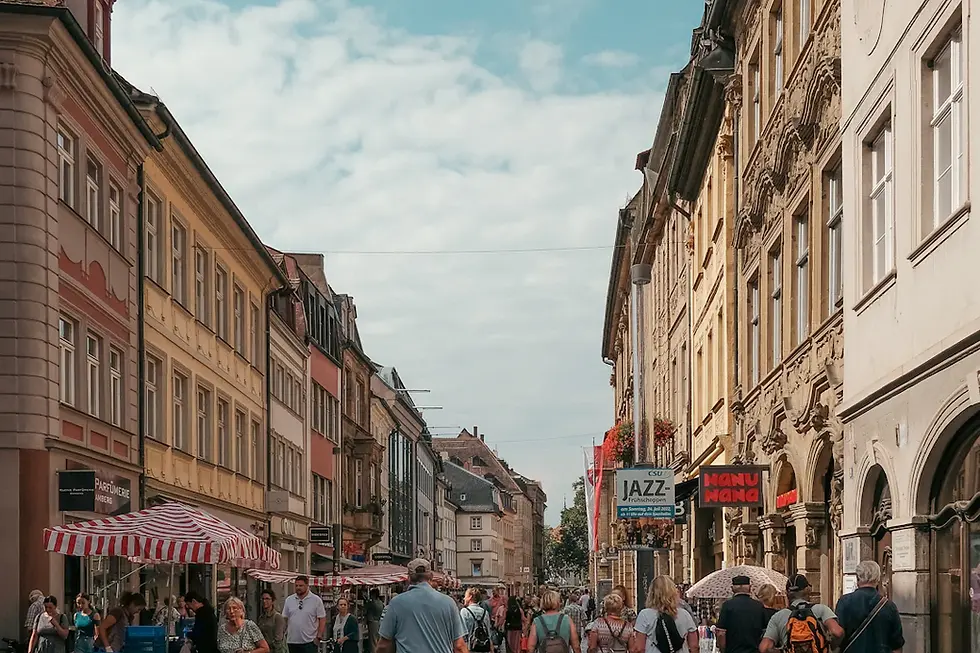
Walking streets are vibrant cultural and commercial hubs worldwide, enhancing urban life by promoting accessibility and community interaction. This article explores their historical roots, notable examples like Pattaya and Bui Vien, their economic benefits, and challenges faced by city planners. As cities evolve, walking streets are expected to become more sustainable and inclusive, enriching local cultures and economies.
Contents
Walking streets have become vibrant hubs of culture, commerce, and community across the globe. From the lively walking street Pattaya in Thailand to the bustling atmosphere of Bui Vien walking street in Vietnam, these pedestrian-friendly areas have transformed urban landscapes, making them more accessible and welcoming. This article provides a comprehensive overview of the history and significance of walking streets worldwide, exploring their development, cultural impact, and how they continue to shape our cities today.
The Historical Roots of Walking Streets
Walking streets as a concept date back centuries, initially appearing in the form of pedestrian quarters in ancient cities. These streets were often lined with shops, cafes, and marketplaces, serving as the lifeblood of urban life. For instance, the ancient Greeks often gathered in agoras, which acted as central spots for commerce and civic discourse.
The concept evolved through the Renaissance when cities began to prioritize public spaces for social interaction and trade. Streets were no longer just conduits for transportation; they emerged as vibrant venues where people could interact, shop, and enjoy culture. The emergence of walking streets can be attributed to the aspiration for community and the desire for a more pedestrian-friendly urban environment.
Walking Streets Around the World
Walking streets vary significantly from one place to another, depending on cultural contexts, urban planning, and local history. Below we delve into some notable examples of famous walking streets around the globe:
Walking Street Pattaya, Thailand
Regarded as one of the most famous walking streets in the world, pattaya walking street is a must-visit for tourists seeking vibrant nightlife. The approximately 500-meter stretch is lined with bars, restaurants, and nightclubs, attracting millions of visitors each year. The atmosphere is electric, with live music, street performers, and mouth-watering food stalls creating an unforgettable experience.
The pedestrian-only access encourages a lively street culture, allowing people to roam freely. As a result, Pattaya Walking Street has established itself as a testament to the potential of well-planned urban spaces, promoting not just nightlife but also social interaction and community bonding.
Bui Vien Walking Street, Vietnam
Located in Ho Chi Minh City, bui vien walking street has become synonymous with the city's nightlife. It serves as a gathering point for both locals and tourists looking to enjoy a night out. The street has transformed into a cultural hotspot, offering a plethora of restaurants, bars, and entertainment options.
Originally, Bui Vien was just a bustling street of shops and eateries. However, as tourism surged, the city decided to implement pedestrian-friendly designs that allowed for more social activities. Now, it is a busy thoroughfare where vibrant displays of Vietnamese culture come alive each night. Visitors can enjoy street food, live music, and an array of entertainment options along the way.
Wua Lai Walking Street, Thailand
Every Saturday evening, wua lai walking street in Chiang Mai transforms into a vibrant market and entertainment zone. This walking street is particularly renowned for its handmade crafts, textiles, and traditional food stalls, reflecting the rich cultural heritage of Northern Thailand.
Wua Lai Walking Street not only showcases local artisans but also fosters community interaction through traditional music and dance performances. It encourages a slow-paced shopping experience, allowing visitors to immerse themselves in the local culture and customs.
The Cultural Impact of Walking Streets
Walking streets contribute significantly to local culture and economy. They act as catalysts for social interaction, encouraging community engagement and participation. The unrestricted movement along these streets fosters an atmosphere of inclusiveness and togetherness, often serving as venues for various events, festivals, and cultural happenings.
Moreover, the pedestrian-friendly designs of walking streets often lead to increased foot traffic, benefiting local businesses. In cities like Pattaya, businesses thrive due to the constant flow of visitors seeking entertainment and shopping. Walking streets also serve as a platform for local artists and performers, helping them gain visibility while enriching the urban experience.
Economic Benefits of Walking Streets
The economic viability of walking streets cannot be overstated. With their popularity, these areas draw both locals and tourists, which further stimulates the economy. Here are some key benefits:
Increased Foot Traffic: With limited vehicle access, walking streets allow more people to traverse the area, resulting in higher sales for local businesses.
Job Creation: As new businesses open along these streets, job opportunities increase, contributing to local employment.
Attracting Tourism: Unique walking street experiences can attract tourists interested in local culture, cuisines, and arts.
Boosting Property Values: Areas with well-developed walking streets often experience increases in property values due to their desirability.
Challenges and Considerations
While walking streets present numerous advantages, they also entail certain challenges that city planners must address. One of the most significant challenges is balancing the needs of pedestrians with those of local businesses and residents. Here are some issues that can arise:
Space Management: Pedestrian overcrowding during peak hours can deter visitors from enjoying the space.
Noise Levels: With nightlife in full swing, noise can be an issue for nearby residents, creating tension between communities.
Security Concerns: Ensuring the safety of pedestrians, especially in crowded areas, becomes increasingly vital.
Environmental Impact: Increased tourism can lead to waste and environmental degradation if not managed properly.
The Future of Walking Streets
As urban spaces continue to evolve, the future of walking streets looks promising. With growing awareness of environmental sustainability and the importance of public spaces, cities are investing more in pedestrian-friendly designs. Here’s what we can expect:
Integrated Green Spaces: Future designs will likely incorporate more greenery and sustainable features, making walking streets enjoyable and environmentally friendly.
Enhanced Accessibility: Efforts will be made to ensure these areas cater to individuals with disabilities, offering a more inclusive environment. Learn more in this article.
Technological Integration: Smart city technologies may enhance navigation, safety, and convenience in walking street areas.
Walk into the Vibrancy of Cultural Connectivity
The history and evolution of walking streets show that they are crucial in shaping urban experiences. These pedestrian-friendly zones not only boost local economies but also cultivate a sense of community and connectivity among people. From the vibrant pattaya walking street to the lively markets of wua lai walking street, these destinations provide unique insights into local cultures while bridging the gap for diverse communities.
As cities continue to embrace walking streets, the potential for creating dynamic public spaces that are rich in culture and commerce grows. If you find yourself in a city with such vibrant thoroughfares, take the time to explore them—you never know what delightful experiences await you.
FAQs
What are walking streets?
Walking streets are pedestrian-friendly areas that serve as vibrant hubs of culture, commerce, and community, making urban spaces more accessible and welcoming.
What is the historical significance of walking streets?
Walking streets have historical roots dating back centuries, evolving from ancient pedestrian quarters to bustling spaces for social interaction and commerce during the Renaissance.
Can you name some famous walking streets around the world?
Notable walking streets include Pattaya Walking Street in Thailand, Bui Vien Walking Street in Vietnam, and Wua Lai Walking Street in Chiang Mai, Thailand.
What economic benefits do walking streets provide?
Walking streets enhance local economies by increasing foot traffic, creating job opportunities, attracting tourism, and boosting property values.
What challenges do walking streets face?
Challenges include managing pedestrian overcrowding, addressing noise levels, ensuring security, and minimizing environmental impacts.


Comments